Ozempic, Wegovy, Mounjaro: What Your Family Doctor Actually Thinks
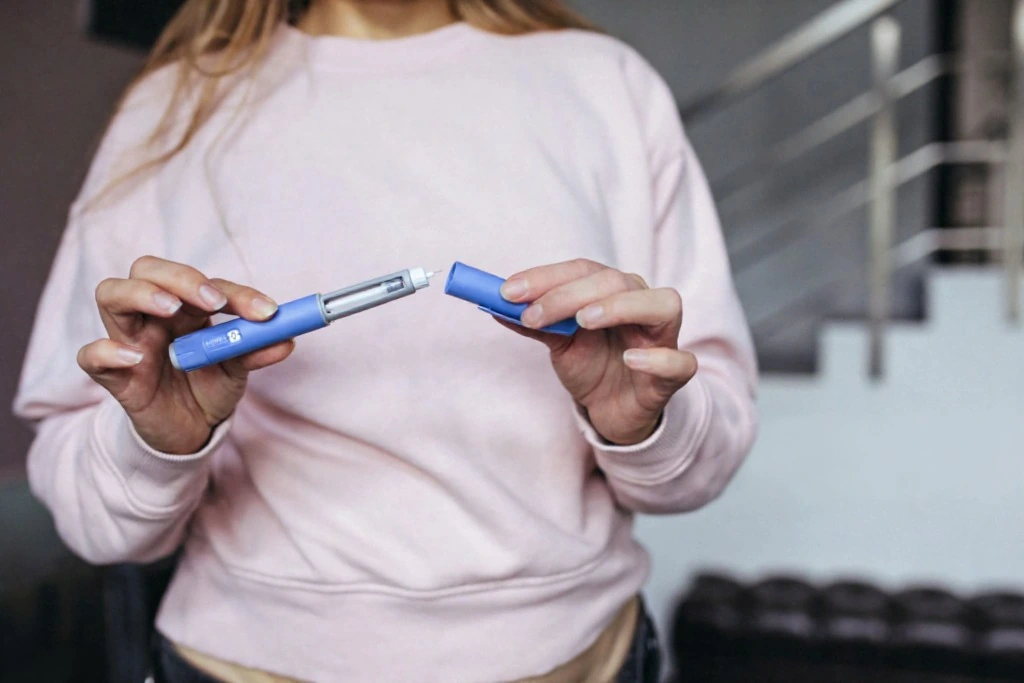
The SELECT trial is a neat study. It enrolled 17,604 people with obesity and pre-existing cardiovascular disease across 804 sites in 41 countries. The follow-up ran 40 months, and the results were tallied and published in the New England Journal of Medicine. Weekly semaglutide injections reduced the rate of major cardiovascular events (death from cardiovascular causes, non-fatal heart attack, or non-fatal stroke) by 20% compared to placebo. Here’s the disconnect: the benefit appeared to be largely independent of how much weight people lost. Something else was happening.
When this finding was published in November 2023, the conversation around GLP-1 drugs shifted from celebrity weight drug to one of the most consequential cardiovascular medication discoveries in a generation. The implications run well beyond any single trial: a drug class developed for type 2 diabetes is now reshaping how doctors think about heart disease, fatty liver, and possibly more. The therapeutic story has gotten much bigger than weight management at this point, and the public framing hasn’t quite caught up. This is why your family doctor, not a med spa or an online pill mill, should be the person you talk to if you’re considering one or want to see if you’re eligible.
As of early May 2026, the Canadian dimension of this story has shifted in a way that matters. Health Canada has approved the first generic version of semaglutide, manufactured by Dr. Reddy’s Laboratories in India and sold in its home market under the brand name Obeda. Canada is the first G7 country to authorize a non-Novo Nordisk version of the drug, and Health Canada has confirmed eight additional generic submissions are sitting in its review queue. The approval covers type 2 diabetes only at this stage, not weight management, but the timing is consequential. GLP-1 use among Canadian adults has nearly doubled in just over a year and now sits near 8% of adults, with industry estimates suggesting more than two million Canadians could be using these drugs for weight loss by year-end. Retail analysts report users buying about 5% less at the grocery store on average, with the steepest cuts in snacks, confectionery, soft drinks, and alcohol. That works out to roughly $2-3 billion a year exiting the Canadian agri-food sector, a population-level shift already showing up in consumer packaged goods earnings calls. Cheaper supply will accelerate all of it.
How These Drugs Work
GLP-1 stands for glucagon-like peptide-1, a hormone your gut naturally produces after you eat. Its job is to signal your pancreas to release insulin in response to rising blood sugar (the incretin effect), slow down gastric emptying so food moves through your system more gradually, and tell your brain that you’ve had enough to eat. Your body breaks down natural GLP-1 within minutes. The pharmaceutical versions, semaglutide (sold as Ozempic for diabetes and Wegovy for weight management) and tirzepatide (Mounjaro), are engineered to resist that breakdown and stay active for about a week.
The result is a drug that works on multiple systems simultaneously. It lowers blood sugar. It slows gastric emptying, which keeps you feeling full longer and reduces the speed at which glucose hits your bloodstream. And it acts on appetite-regulating centers in the brain, the hypothalamus especially, in ways that reshape how hungry you feel. Patients on these medications describe the experience as the disappearance of food noise: the constant background hum of thinking about what to eat next that many people with obesity live with but rarely articulate until it’s gone.
Tirzepatide adds another layer. It’s a dual agonist, activating both the GLP-1 receptor and the GIP (glucose-dependent insulinotropic polypeptide) receptor, which appears to produce greater metabolic effects than GLP-1 alone. Phase 3 trials showed tirzepatide achieved larger reductions in both blood sugar and body weight compared to semaglutide in head-to-head comparisons. It received FDA approval for type 2 diabetes in 2022 and obesity in 2023.
Grasping the mechanism matters because it explains both why these drugs work so well and why they aren’t magic. They mimic and amplify a natural hormonal system. When you stop taking them, that system returns to its previous state, and weight regain after discontinuation is common and expected. The biology being treated is chronic, so the medication has to be chronic too, on the same logic as blood pressure pills or insulin. Nobody expects their statin to keep lowering cholesterol months after they stop taking it.
Newer research is sharpening the chronicity case in uncomfortable ways. A 2026 preclinical study from the University of Pennsylvania found that animals cycled on and off semaglutide regained weight faster than they had after a single discontinuation, and didn’t reach their previous lows when the drug was restarted. The findings need confirmation in humans, but they push back on the popular framing of GLP-1s as a tool you take for a while and then walk away from. Intermittent use may be substantially less effective than continuous treatment, and could leave patients metabolically worse off than if they’d stayed on the drug consistently in the first place. That’s a question worth asking your doctor before you start, not after.
Beyond Weight: What the Evidence Shows (and Doesn’t)
The cardiovascular data from SELECT is the headliner, but it’s far from the only signal. In August 2025, the FDA granted accelerated approval for semaglutide (Wegovy) to treat metabolic dysfunction-associated steatohepatitis with moderate to advanced liver fibrosis, based on the ESSENCE trial published in the New England Journal of Medicine. That trial randomized 1,197 patients and found that after 72 weeks, 62.9% of patients on semaglutide achieved resolution of their liver inflammation without worsening fibrosis, compared to 34.3% on placebo. For a condition that had no FDA-approved treatment until 2024, this was a big deal. MASH (formerly known as NASH) affects an estimated 5-7% of the global population and is becoming the leading cause of liver transplants in younger adults.
The kidney data is also promising. The FLOW trial examined semaglutide in patients with type 2 diabetes and chronic kidney disease, and reported meaningful protection against the progression of kidney function decline. The trial was halted early once semaglutide crossed a prespecified efficacy threshold, meaning continuing the placebo arm could no longer be ethically justified. Whether the benefit comes from improved glycemic control, weight loss, blood pressure reduction, or a more direct effect on the kidney itself is still being sorted out.
Then there’s the brain. Real-world data from a large cohort study found that GLP-1 receptor agonist use was associated with a 70% reduced risk of dementia. A phase 2b trial of liraglutide (an older GLP-1 drug) showed it reduced brain shrinkage in memory-related regions by nearly 50% compared to placebo. But the story isn’t simple: a more rigorous assessment of semaglutide in early-stage Alzheimer’s disease did not demonstrate superiority over placebo in reducing disease progression, despite improving some biomarkers. The EVOKE and EVOKE+ phase 3 trials with semaglutide are ongoing and will tell us more.
The addiction data is early but arresting. A 2024 Nature Communications study found that semaglutide prescriptions were associated with a 50-56% lower risk of developing or relapsing into alcohol use disorder compared to other anti-obesity medications. A 2025 randomized trial in JAMA Psychiatry reported that even low-dose semaglutide reduced alcohol cravings and drinking intensity over nine weeks. A separate analysis of over 1.3 million patients found lower rates of both opioid overdose and alcohol intoxication in those prescribed GLP-1 drugs. The mechanism appears to involve modulation of the brain’s dopamine reward pathways. The FDA hasn’t approved GLP-1 drugs for addiction, and clinicians cannot prescribe them for this indication alone, but off-label consideration is happening in cases where patients also meet weight or diabetes criteria.
The pattern across all of this is consistent. GLP-1 drugs are doing things we didn’t design them to do, and some of those things matter clinically. The evidence ranges from strong (cardiovascular, liver) to genuinely preliminary (neuroprotection, addiction), and the right posture sits somewhere between hype and dismissal. Anyone pitching these drugs as a panacea should be met with skepticism. So should anyone insisting they’re just cosmetic injections, because that framing now ignores most of the post-SELECT body of evidence.
Who Should Actually Talk to Their Doctor About This
Canadian prescribing guidelines for semaglutide and tirzepatide in weight management generally require a BMI of 30 or higher, or a BMI of 27 or higher with at least one weight-related comorbidity such as type 2 diabetes, hypertension, dyslipidemia, or obstructive sleep apnea. These aren’t arbitrary thresholds. They reflect the populations in which the drugs have been studied and shown clear benefit relative to side effect risk. Below those cutoffs, the trial data thins out fast, and the case for accepting the gastrointestinal toll and the open questions about long-term metabolic adaptation becomes harder to make in good faith.
People who are NOT good candidates include those who are pregnant or planning pregnancy in the near term (semaglutide carries category X classification based on animal studies showing fetal harm), those with a personal or family history of medullary thyroid carcinoma or multiple endocrine neoplasia syndrome type 2, those with a history of pancreatitis, and those with active eating disorders where appetite suppression could worsen the condition. The eating disorder caveat deserves emphasis because it gets missed in practice all the time. Patients with bulimia or anorexia have been accessing GLP-1 drugs through online prescribers without disclosing their history, with predictable consequences. If you’re underweight or at a healthy weight and chasing cosmetic thinness, these drugs are not appropriate, and a responsible physician will say no.
If you meet the criteria, your family doctor in Ontario can prescribe GLP-1 medications, no specialist referral required. The prescribing process starts with a baseline assessment that covers blood pressure, heart rate, and bloodwork including HbA1c, liver function, and kidney function. Dosing then follows a titration schedule, starting low and increasing gradually over several weeks to keep nausea and gastrointestinal side effects manageable. Follow-up visits track response, tolerability, and any of the rarer issues worth catching early, including changes in gallbladder symptoms, mood, or signs of pancreatitis.
Young Adult Concerns: Fertility, Muscle, and Cost
The “Ozempic babies” phenomenon is real, though the mechanism is indirect. GLP-1 drugs don’t directly affect reproductive hormones, but significant weight loss can restore ovulation in women with obesity-related anovulation, especially those with PCOS. Women who were functionally infertile due to weight and insulin resistance have become pregnant unexpectedly after starting these medications. The clinical implication is straightforward: if you’re a woman of reproductive age starting a GLP-1 drug, you need reliable contraception. And there’s an additional wrinkle. GLP-1 medications slow gastric emptying, which can reduce absorption of oral contraceptives, especially during dose increases and in the first weeks of treatment when nausea is most common. Your doctor should discuss alternative or backup contraceptive methods.
On muscle mass, the picture has gotten more nuanced. Earlier alarm about GLP-1 drugs causing dramatic muscle wasting has been tempered by a 2026 meta-analysis in the International Journal of Obesity, which found that the majority of weight lost on these medications comes from fat mass rather than lean tissue. That’s the same pattern seen with diet-and-exercise weight loss, and it pushes back on the worst-case narrative that took hold after early body composition reports. Lean mass loss does still happen, and the concern isn’t gone. A UVA study raised the point that GLP-1-mediated weight loss wasn’t translating into improved cardiorespiratory fitness, which matters for long-term health. The clinical consensus is that patients on these drugs should be actively counseled about resistance training and adequate protein intake to preserve muscle. If your doctor prescribes a GLP-1 without discussing exercise, that’s a red flag about the quality of care.
Cost is the practical question that comes up next, and the answer is shifting fast. In Canada, Ozempic (the diabetes indication) is covered by most provincial drug plans and many private insurance plans when prescribed for type 2 diabetes. Wegovy (the weight management indication) is less consistently covered, and currently lists at roughly $5,066 per year, or about $400 per month. Out-of-pocket costs for semaglutide overall run roughly $300-500 per month depending on the pharmacy, dose, and indication. Tirzepatide is newer to the Canadian market and coverage is evolving.
The Dr. Reddy’s generic approval changes the math. Under the pan-Canadian Pharmaceutical Alliance pricing structure, a first generic typically lands 75-85% below the brand-name price, and prices fall further as additional generics enter the market (50% of brand once a second generic arrives, around 35% once three or more are competing). Health Canada has separately noted that generics often run 45-90% cheaper than the originals. Dana Small, a neurology and neurosurgery professor at McGill, has estimated the eventual monthly cost of generic semaglutide at $40 to $80, a dramatic break from where things stand today. Dr. Hertzel Gerstein, a diabetes physician at McMaster, has said the regulatory bar for generics is rigorous enough that patients should expect “a very similar, if not identical, effect” from the generic version. None of this happens overnight. Provincial formularies will need to update before most patients see the change at the pharmacy counter, and the initial approval covers diabetes, not weight management. But the 12-18 month trajectory points clearly toward broader affordability. Your family doctor and pharmacist can help determine what your specific insurance covers, whether manufacturer patient support programs apply, and when generic substitution becomes possible for your prescription.
The Ozempic Mill Problem
The demand for these drugs created a predictable side effect: clinics that exist solely to prescribe them, often through brief virtual visits with minimal assessment and no follow-up plan. Some operate outside traditional medical oversight, prescribing based on a questionnaire rather than a clinical evaluation. This is bad medicine.
Nowhere is that more visible than in downtown Toronto, where storefront and virtual weight-loss clinics have multiplied fastest. Walk through the financial district or the neighbourhoods around Bay and College and you will pass med spas and pop-up metabolic clinics advertising same-day semaglutide, frequently run off a questionnaire with no family physician involved and no plan for the follow-up six months out. The convenience is real. So is the gap when the nausea gets bad, the dose needs adjusting, or an early gallbladder problem needs someone who already knows your history to catch it. GLP-1 drugs require monitoring. They interact with other medications. They have real side effects that need management. Gastrointestinal symptoms (nausea, vomiting, diarrhea, constipation) affect a significant proportion of patients and are the leading cause of discontinuation. In the SELECT trial, 16.6% of semaglutide patients permanently discontinued due to adverse events, compared to 8.2% on placebo.
A family doctor who knows your full medical history, manages your other medications, and sees you across multiple visits operates very differently from an online prescriber who sees your BMI and writes a script. The gap shows up in concrete clinical outcomes. A primary care provider catches it when your titration is too aggressive and the nausea is making you skip doses. Early gallbladder symptoms get noticed during routine follow-up rather than escalating into an ER visit, since GLP-1 drugs raise gallstone risk and the management changes once surgery is on the table. The prescription comes with scaffolding around it: dietary guidance, resistance training, bloodwork timing, real conversations about whether the medication is doing what you both hoped.
What’s Coming Next
The pipeline behind semaglutide and tirzepatide is aggressive. Oral semaglutide (a daily pill instead of a weekly injection) is already available for diabetes and being studied at higher doses for obesity. Retatrutide, a triple agonist hitting GLP-1, GIP, and glucagon receptors simultaneously, produced weight loss exceeding 24% in phase 2 trials. Survodutide, another dual agonist, is in late-stage development. Amycretin combines GLP-1 with amylin receptor agonism. Each generation aims for greater efficacy, fewer side effects, and potentially oral dosing that eliminates the need for injections entirely.
One of the more interesting non-drug developments is duodenal mucosal resurfacing, a minimally invasive endoscopic procedure that has been quietly accumulating data. The recent REMAIN-1 trial tested it as a tool for maintaining weight loss after patients stopped GLP-1 therapy. Participants who underwent the real procedure regained less weight than those who got a sham version, and held onto more than 80% of their previous loss. The trial is small and the technique is still investigational, but the concept is striking. Instead of treating obesity as a chronic disease requiring chronic medication, the procedure aims to reset the metabolic signaling of the upper gut, so a course of GLP-1 therapy followed by the procedure could plausibly produce durable change without indefinite drug exposure. If this approach holds up in larger studies, the long-term shape of obesity care could shift from continuous pharmacotherapy toward episodic, drug-plus-procedure treatment. That’s a meaningful divergence from where the industry is currently steering, and worth watching.
Within the next five years, treatment options for obesity and its metabolic consequences will look dramatically different from today. The pharmacology side is settled enough at this point. The harder question is whether the healthcare system around these drugs, the follow-up, the monitoring, the lifestyle support, the equitable access, will keep pace. That part is genuinely uncertain, and it’s where family medicine has to step up or get left behind.
Your family doctor is the best person to help you make sense of all this, better positioned than an Instagram ad, a telehealth mill, or a friend who lost thirty pounds and has a spare pen in the fridge. If GLP-1 drugs make sense for you, the conversation should start in a room with someone who has seen your bloodwork, knows your medications, and will still be there in six months when you need a dose adjustment or are wondering whether a side effect is worth tolerating. The continuity matters as much as the molecule. That’s the part of treatment that gets glossed over in the marketing, and the part patients tend to feel the absence of when something goes sideways.
For more context on what your doctor checks at a routine appointment, what baseline bloodwork reveals, or how nutrition fits into the bigger picture, those are all useful companion reads.
Button Health is a new OHIP family practice in downtown Toronto, coming soon and built so reaching your doctor is the easy part.
Join the priority list for first access when we open.
References
-
Semaglutide and Cardiovascular Outcomes in Obesity without Diabetes (SELECT trial). New England Journal of Medicine, November 2023. DOI: 10.1056/NEJMoa2307563 nejm.org/doi/full/10.1056/NEJMoa2307563
-
Phase 3 Trial of Semaglutide in Metabolic Dysfunction-Associated Steatohepatitis (ESSENCE trial). New England Journal of Medicine, 2025. DOI: 10.1056/NEJMoa2413258 nejm.org/doi/10.1056/NEJMoa2413258
-
GLP-1RA use associated with reduced dementia risk (real-world cohort analysis). PMC, 2025. PMC12536097 pmc.ncbi.nlm.nih.gov/articles/PMC12536097/
-
Liraglutide in mild to moderate Alzheimer’s disease: a phase 2b clinical trial. Nature Medicine, 2025. DOI: 10.1038/s41591-025-04106-7 nature.com/articles/s41591-025-04106-7
-
GLP-1 receptor agonists and alcohol use disorder: 50-56% lower risk. Nature Communications, 2024.
-
Low-dose semaglutide reduces alcohol cravings in adults with AUD. JAMA Psychiatry, 2025.
-
GLP-1R agonist medications for addiction treatment. Addiction, 2025. DOI: 10.1111/add.16626 onlinelibrary.wiley.com/doi/10.1111/add.16626
-
Does Ozempic boost fertility? What the science says. Nature, 2024. DOI: 10.1038/d41586-024-02045-w nature.com/articles/d41586-024-02045-w
-
Mechanisms of GLP-1 Receptor Agonist-Induced Weight Loss: central and peripheral pathways. American Journal of Medicine, 2025. DOI: 10.1016/j.amjmed.2025.01.059 amjmed.com/article/S0002-9343(25)00059-2/fulltext
-
Can you get GLP-1 drugs in Canada? Canadian Medical Association, 2025. cma.ca/healthcare-for-real/can-you-get-glp-1-drugs-canada
-
Mechanisms of action and therapeutic applications of GLP-1 and dual GIP/GLP-1 receptor agonists. Frontiers in Endocrinology, 2024. DOI: 10.3389/fendo.2024.1431292 frontiersin.org/journals/endocrinology/articles/10.3389/fendo.2024.1431292/full
-
Health Canada approves first generic semaglutide (Dr. Reddy’s Laboratories / Obeda); Canada becomes first G7 country to do so. Health Canada notice and Canadian press coverage, April-May 2026.
-
Pan-Canadian Pharmaceutical Alliance generic pricing tiers (75-85% off brand for first generic; 50% with second; ~35% with three or more). pCPA framework, 2024-2025.
-
Canadian GLP-1 adoption and grocery spending impact: agri-food economy estimates of $2-3 billion annual reduction tied to GLP-1 user behavior. Agri-Food Analytics Lab, Dalhousie University, 2026.
-
Body composition changes during GLP-1 receptor agonist treatment: meta-analysis showing fat-predominant weight loss. International Journal of Obesity, 2026.
-
Effects of cycled GLP-1 receptor agonist exposure on weight regain (preclinical study). University of Pennsylvania, 2026.
-
Duodenal mucosal resurfacing for weight maintenance after GLP-1 therapy: results of the REMAIN-1 trial. 2026.