The Fall That Changes Everything
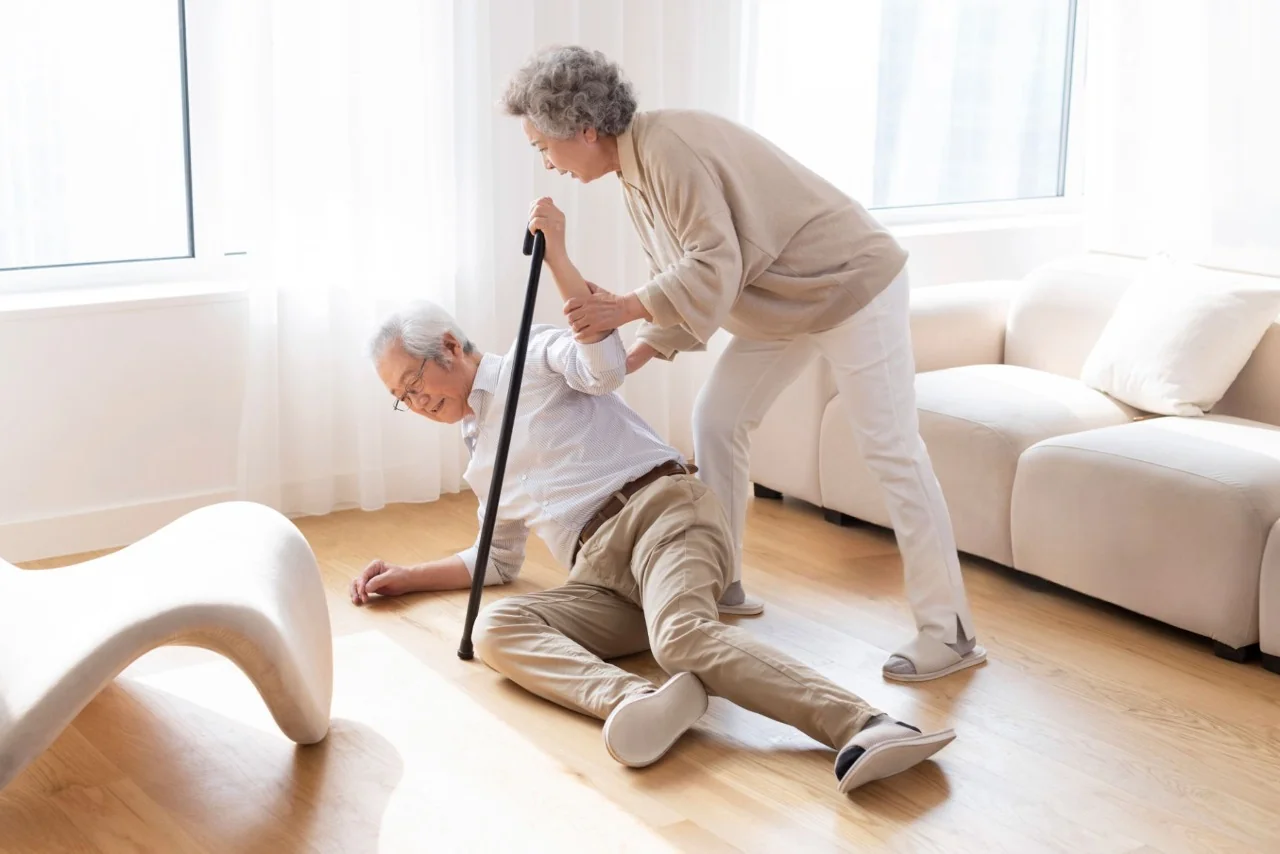
One in three Canadians over 65 will fall this year. Most will be fine. Some won’t.
Falls are the leading cause of injury-related hospitalization in older adults. They’re the primary reason people lose their independence and move into long-term care. A hip fracture at 80 has a 20-30% mortality rate within a year.
This isn’t meant to scare you. It’s meant to motivate you. Because here’s the thing: falls are largely preventable. And the time to prevent them is before they happen.
Why Falls Become More Dangerous With Age
When you’re 25, a fall means a bruise and a story. When you’re 75, the same fall can mean surgery, months of recovery, and a permanent change in how you live.
Several things change with age that make falls both more likely and more dangerous:
Bones get weaker. Bone density peaks around 30 and declines from there. By 70, many people have osteoporosis or its precursor, osteopenia. Bones that once would have absorbed impact now break.
Balance deteriorates. The systems that keep you upright - your inner ear, your vision, your proprioception (the sense of where your body is in space) - all decline. Medications can make this worse.
Muscle mass decreases. Starting around 40, you lose about 1% of muscle mass per year if you’re not actively working to maintain it. Weaker muscles mean less stability and slower recovery when you stumble.
Reaction time slows. The split-second corrections that prevent a stumble from becoming a fall happen more slowly.
Medications accumulate. The average 75-year-old takes five or more prescription medications. Many affect balance, blood pressure, or alertness.
The Bone Health Foundation
Strong bones don’t guarantee you won’t fall, but they improve what happens when you do.
Get Your Bone Density Checked
A DEXA scan measures bone mineral density. It’s painless, takes about 15 minutes, and tells you where you stand. The Canadian guidelines recommend:
- All women 65+ get screened
- All men 70+ get screened
- Earlier screening if you have risk factors (family history, smoking, low body weight, certain medications like steroids, early menopause)
If you’ve never had a bone density test and you’re in these age ranges, ask your doctor to order one. If you don’t have a family doctor, that’s a problem worth solving first—read our guide on how to actually use the Canadian healthcare system for options.
Know Your Vitamin D Status
Vitamin D is essential for calcium absorption and bone health. In Canada, most people are deficient, especially in winter. Our bodies make vitamin D from sun exposure, but north of the 49th parallel, that’s not happening from October to April.
Most adults need 1000-2000 IU of vitamin D daily. Some need more. A blood test can check your levels.
Calcium Matters (But Not Pills Necessarily)
You need calcium for bone health, but the evidence for calcium supplements is mixed. High-dose supplements may increase cardiovascular risk.
Better approach: get calcium from food. Dairy, fortified alternatives, leafy greens, canned fish with bones. If you can’t get enough from diet, a moderate supplement (500-600mg) is reasonable. For practical strategies on building better eating habits, see our nutrition guide.
If You Have Osteoporosis
If your DEXA scan shows osteoporosis, there are medications that can help. Bisphosphonates (like alendronate) reduce fracture risk. They’re not without side effects, but for people at high risk, the benefits usually outweigh the risks.
This is a conversation to have with your doctor. Treatment depends on your specific situation, fracture risk, and other health factors.
The Balance and Strength Side
Bone health is half the equation. The other half is not falling in the first place.
Exercise Is Non-Negotiable
This is the single most effective intervention for fall prevention. Period.
You need two types:
Strength training - Particularly for legs and core. Squats, lunges, standing from a chair without using your arms. Resistance bands if weights aren’t accessible. Twice a week minimum.
Balance exercises - Standing on one foot. Heel-to-toe walking. Tai chi (which has strong evidence for fall prevention). These can be done daily.
If you haven’t exercised in years, start slowly. A physiotherapist can design a program appropriate for your current level. Many communities have senior fitness programs specifically designed for this.
Review Your Medications
Certain medications increase fall risk:
- Sedatives and sleep medications
- Antidepressants
- Blood pressure medications (especially when starting or adjusting doses)
- Opioid pain medications
- Antihistamines (including over-the-counter sleep aids)
- Muscle relaxants
If you’re taking several medications, ask your doctor or pharmacist to review them specifically for fall risk. Sometimes doses can be adjusted or medications switched to safer alternatives.
Get Your Vision and Hearing Checked
You can’t avoid obstacles you can’t see. Get your eyes checked annually. Update your glasses prescription. If you have cataracts affecting your vision, consider surgery.
Hearing affects balance more than most people realize. Inner ear problems cause dizziness. Even mild hearing loss changes how you navigate environments.
Check Your Feet
Foot problems contribute to falls more than you’d think:
- Bunions and hammertoes affect balance
- Neuropathy (numbness from diabetes or other causes) reduces feedback from your feet
- Poorly fitting shoes cause trips and slips
- Going barefoot or wearing just socks on smooth floors is risky
See a podiatrist if you have foot problems. Wear shoes with good support and non-slip soles.
Home Safety
Most falls happen at home. A few modifications can sharply reduce risk:
Lighting - Bright lights in hallways and stairs. Night lights between bedroom and bathroom. Light switches accessible at both ends of hallways.
Floors - Remove throw rugs or secure them with non-slip backing. Clear clutter from walkways. Watch for cords and cables.
Bathrooms - Grab bars near toilet and in shower/tub. Non-slip mats. A shower chair if standing is unstable.
Stairs - Sturdy handrails on both sides. Good lighting. No loose carpeting.
Kitchen - Frequently used items at accessible heights (not requiring a step stool). Non-slip mats at sink.
An occupational therapist can do a home safety assessment and recommend specific modifications. This is often covered by OHIP when referred by your doctor.
What to Do If You Fall
If you do fall:
Don’t rush to get up. Lie still for a moment. Check if anything hurts. Moving quickly after a fall can make injuries worse.
If you can get up: Roll onto your side, then push up to hands and knees. Crawl to a sturdy piece of furniture. Use it to pull yourself up to sitting, then standing.
If you can’t get up: Try to get to a phone. If you can’t, make noise to attract attention. If you live alone, consider a medical alert device.
Always tell your doctor. Even if you feel fine, a fall is a warning sign. Your doctor should know about it to assess whether something needs to change.
The Conversation to Have
If you’re over 65, or caring for someone who is, fall prevention should be part of regular healthcare conversations. Ask your doctor:
- Should I have a bone density test?
- Are any of my medications increasing my fall risk?
- What exercises would help my balance and strength?
- Should I see a physiotherapist?
- Is my vitamin D level adequate?
Don’t wait for a fall to have this conversation. The whole point is preventing the fall that changes everything. If it’s been a while since your last check-up, read why your periodic health visit matters more than you think.
The Bottom Line
Falls aren’t an inevitable part of aging. They’re a preventable injury pattern that responds to intervention.
Strong bones. Good balance. Appropriate medications. Safe home environment. Regular exercise. These aren’t complicated interventions. They’re practical steps that reduce your risk.
The best time to prevent a fall is before it happens. If you’re over 65 and haven’t had these conversations with your doctor, now is the time.